
The function of play is not fully understood in research, especially in dogs that continue to play even in adulthood. In a new study published in the journal Royal Society Open Science, researchers at LiU have investigated whether there is a direct connection between play and a stronger emotional bond between owner and dog.
“Today, many dogs change homes in the middle of their lives. With rescue dogs, you don’t have the advantage of growing up with your dog. This means that you miss the so-called socialisation window early in your puppy’s life, which is important for relationship building. And then play can be a very good way to build a new good relationship even with adult dogs,” says Lina Roth, senior associate professor of ethology at LiU.
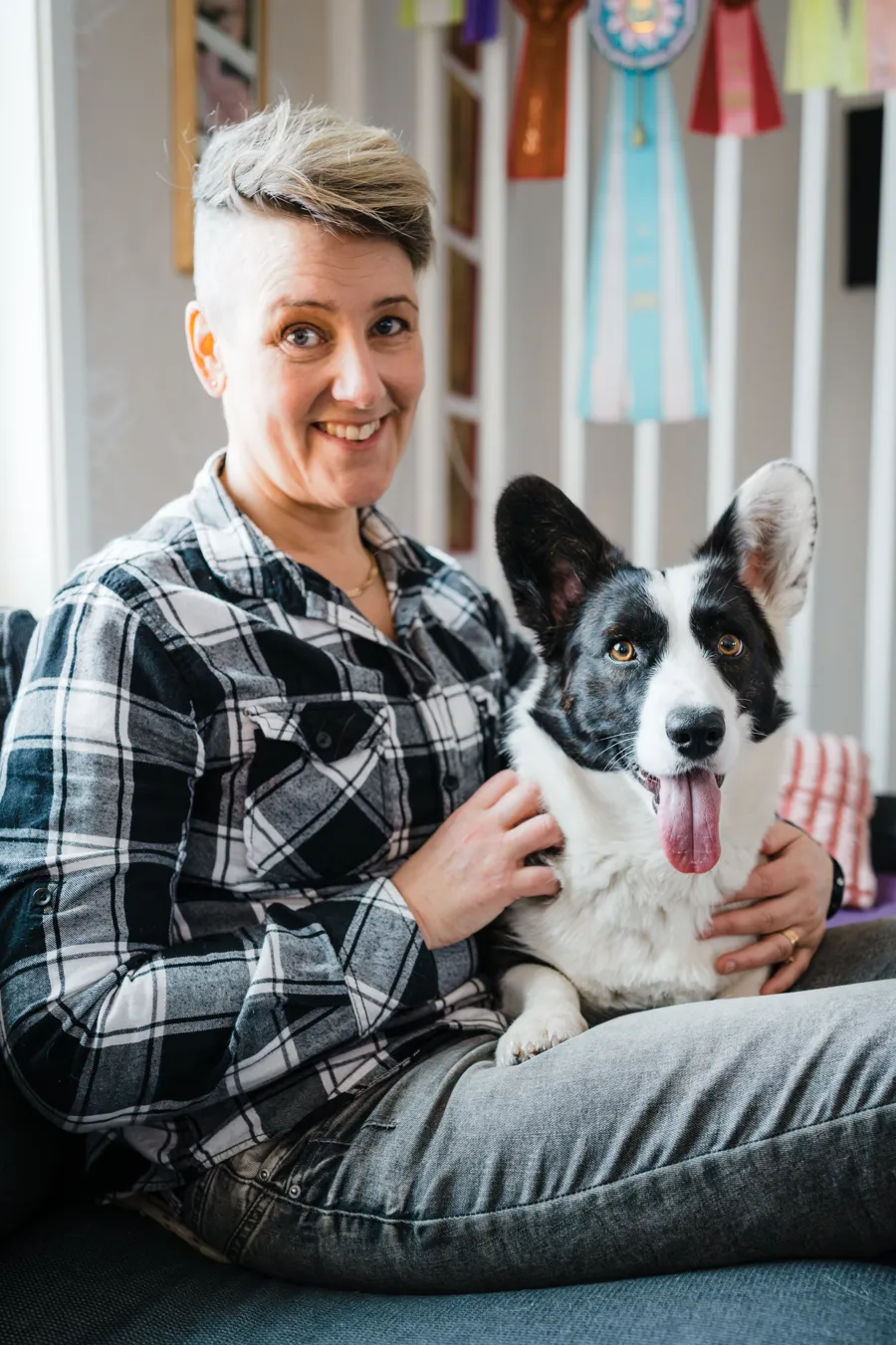 Anna Nilsen
To find out if there is a connection, dog owners were asked to answer a comprehensive questionnaire about how they experience their relationship with their dog. Examples of questions include: How often do you take your dog with you when you visit other people? How often do you feel that dog ownership is more trouble than it’s worth? How often do you tell your dog things that you don’t tell anyone else?
"A great result"
The owner-dog pairs were then divided into three groups: one group that was tasked with playing more than usual, one group that had to train more than usual with rewards in the form of treats, and a control group that would continue as before. The owners then had to answer the same questionnaire again.
“This is a great result that you can only dream of! It turned out that the play group improved their emotional bond to the dog in just four weeks with a few minutes of extra play a day, “says Lina Roth.
The results showed a statistically significant causal relationship where the emotional bond to the dog is improved by increasing the time of play. The other two groups, however, showed no improvement compared to before.
Throwing a ball is not enough
The study mainly shows how the owners experience the relationship and cannot say much about the dog’s experiences. However, the owners in the play group reported that their dogs seemed to get a more positive view of their owners, and that the dogs themselves took more initiatives for play. Previous studies have also shown that dogs feel better when they get to play and spend time with their owners.
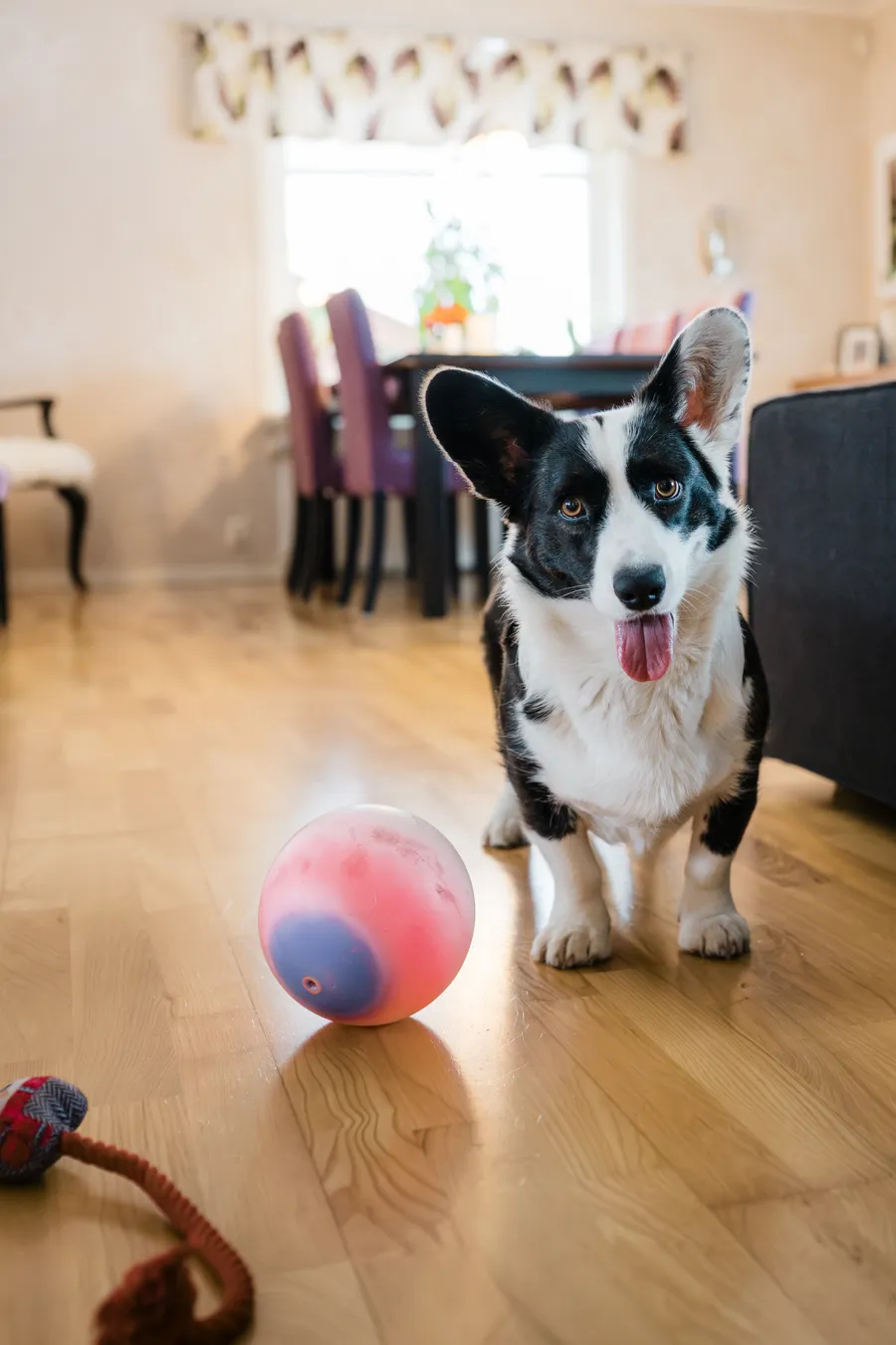 Anna Nilsen
The different groups were given clear instructions on how play and training should be done. In this way, the researchers were able to ensure that the owners actually played with their dog. According to Lina Roth, the most important thing is to find a game that the dog responds positively to and that play time together becomes pleasant.
“Just throwing a ball isn’t enough. As we were after the social interaction between dog and human, the games we proposed in the study were for example tug-of-war, rough and tumble, chasing each other, hide-and-seek, peekaboo or teasing the dog a little with your fingers. You don’t have to keep at it for long, it’s more about paying attention to your dog’s behaviour. A few minutes every now and then seems to make a big difference,” says Lina Roth.
Article: , Per Jensen, Caisa Persson-Werme, Lina S.V. Roth, Royal Society Open Science, published online 22 April 2026. DOI: 10.1098/rsos.252294
About the study: Out of a total of 1667 volunteers who participated in the treatment study, 408 pairs met the criteria for analysable questionnaire responses. One such criterion was showing a sufficiently increased time of play for at least eight days.
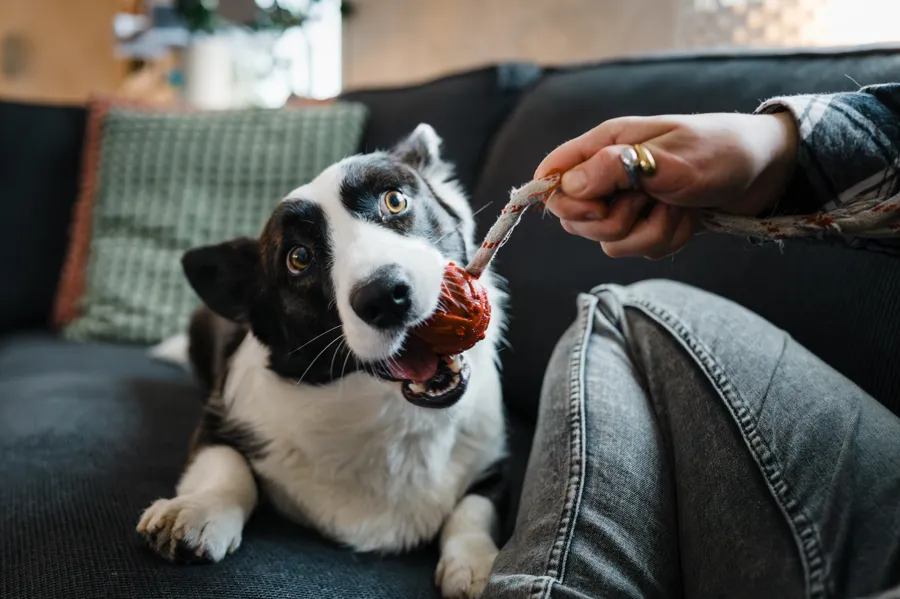 Anna Nilsen





